It’s 2019 and I’m in Brighton watching an old friend perform a one-woman show. She’s been working on it for years. It’s about her life, sort of, and draws from all the parts that have influenced that life, sort of. We see hard discussions with her ex-boyfriend about kids, we see caricatures of her father, skits about living as a British Indian under the echoes of Empire.
It’s really beautiful. When she asks me what I thought, the only word I can think of is “transparent”. It was showing me something very profound and very meaningful, and it did the work required to get there, but it stepped out of the way to reveal that heart. The song, jokes, monologues, poetry, all served to trick me, to carry me along, into seeing something wordlessly meaningful by song, jokes, monologues, poetry.
At its heart, I learn something very personal about Time. Maybe that’s the point; the show is called “A Matter of Time”. I couldn’t possibly tell you what I learned. You would have to watch the show.
Transparency
I think much good art does this. Although I don’t think it can be broken down this way, one way to think about it is that there is the artifice – the thing that you witness – and the art, the thing-as-a-whole. And somewhere in there there is the soul. The art can be good in many ways, but for me, the holy grail is that the artifice falls away, revealing that soul.
I listen to a lot of Mozart, and I think he does this very well. He even wrote to his father, Leopold, after composing his 12th piano concerto. “these passages are written in such a way that the less learned cannot fail to be pleased”, he says, “though without knowing why.”
He knew too – his artifice was in service of something universal, profound, instantly-accessible.
I think this is what we mean when we describe something as “soulless” (and yes, there’s a nod to AI). We mean: this is artifice. This is rendering. This looks like a window through to something, but the thing is not there.
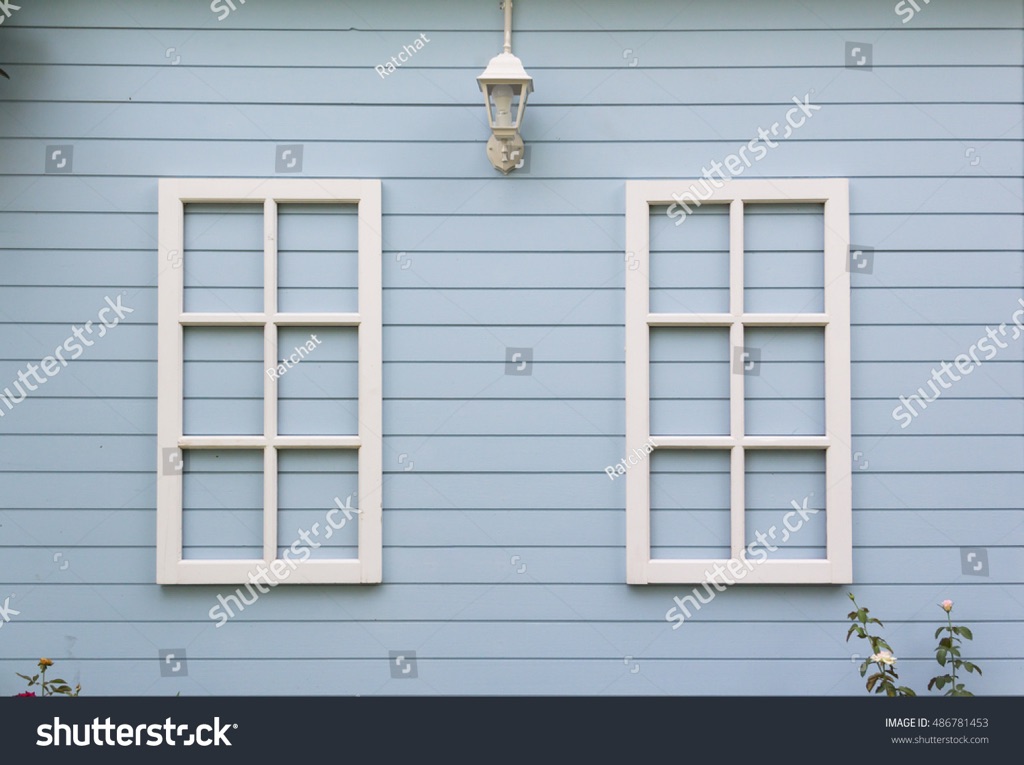
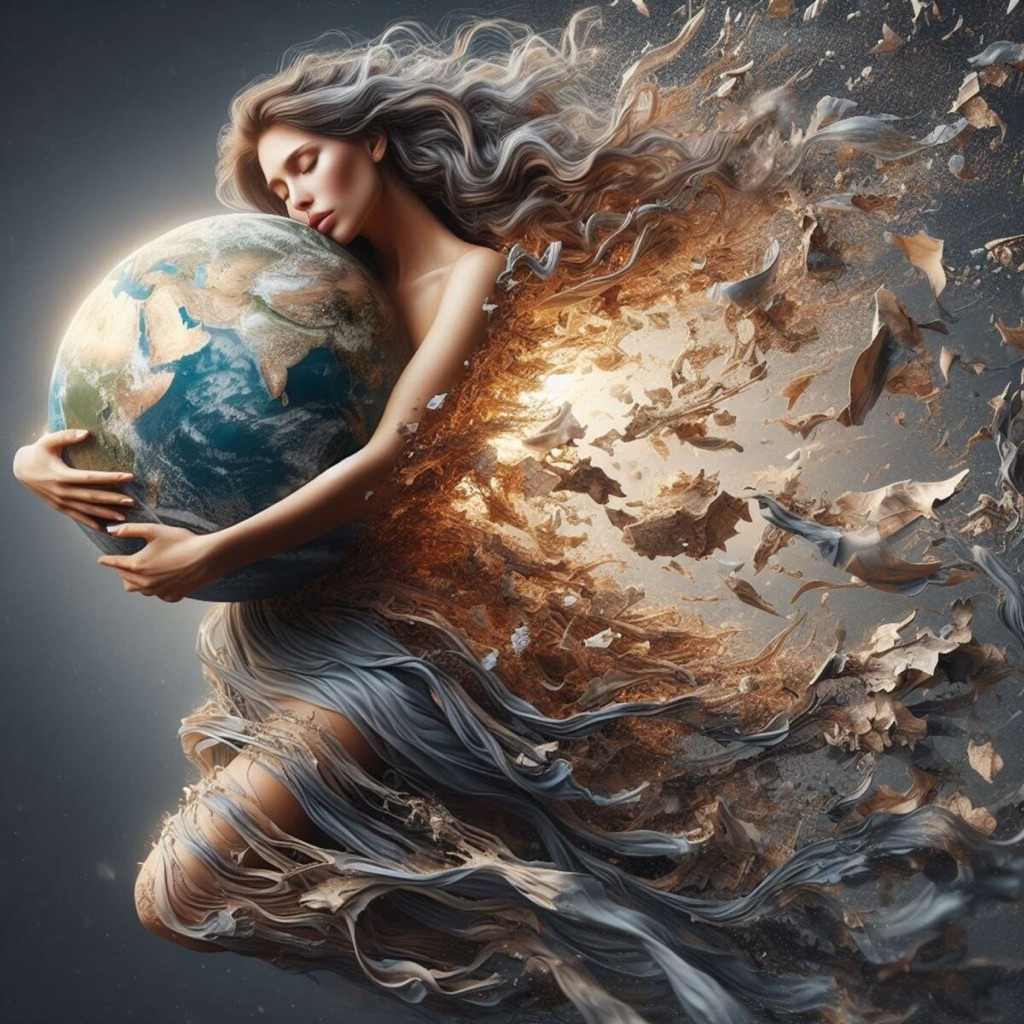 The artifice can itself be extraordinary. One can perfectly copy even a Jackson Pollock painting. But there is something inter-naturally* imbued by good art. Something profoundly revealed.
Likewise, artists know this conflict. You may have something within you – something wordless, formless. Perhaps it can only be expressed to you through the artifice of your art – music you hear, an image you see. You may not know why it is important, but you know it is very important. And then you become lost along the way to translating it. The artifice interrupts. “Less is more”, you are told, because the urge to simplicity may avoid confounding your efforts to translate the internal meaning into worldly expression.
But
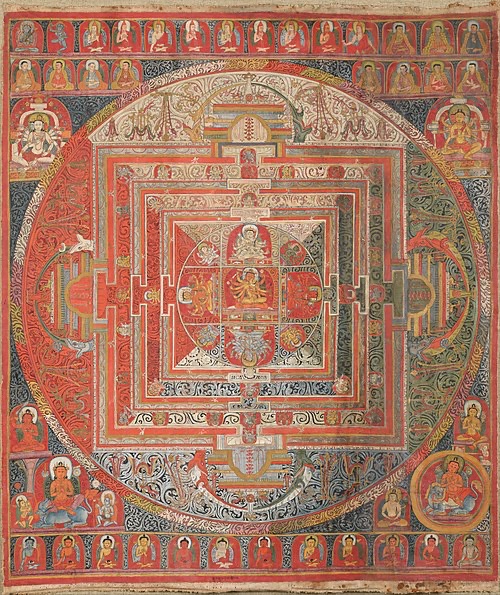
It is not simply a matter of soul + artifice = art. There is something soulful in the artifice itself. Really great art, to me, is a constant beguiling of reason; a constant tailspin of revelation that shows how perfectly, or how monstrously, the artifice fits together and how this was part of the picture of the whole anyway. In a sense, it can feel like looking at a Mandala:
 AI
I believe that AI is all artifice. In many cases, it is excellent artifice. In some fields, such as mass music and coding, we may have convinced ourselves that the artifice is all that needs to exist, and so we may come to believe that AI can perform just as well as us. But those who toil in those fields to produce good art – often because they are driven by this expression of soul – know that artifice without soul is merely a technical exercise; perhaps even less, for even technical sketches carry soul.
*I use the term “inter-naturally” rather than super-naturally as I believe that “supernatural” phenomena are the result of shared interpersonal realities.